
What Should Red Hook, NY Residents Look for First After a Storm?
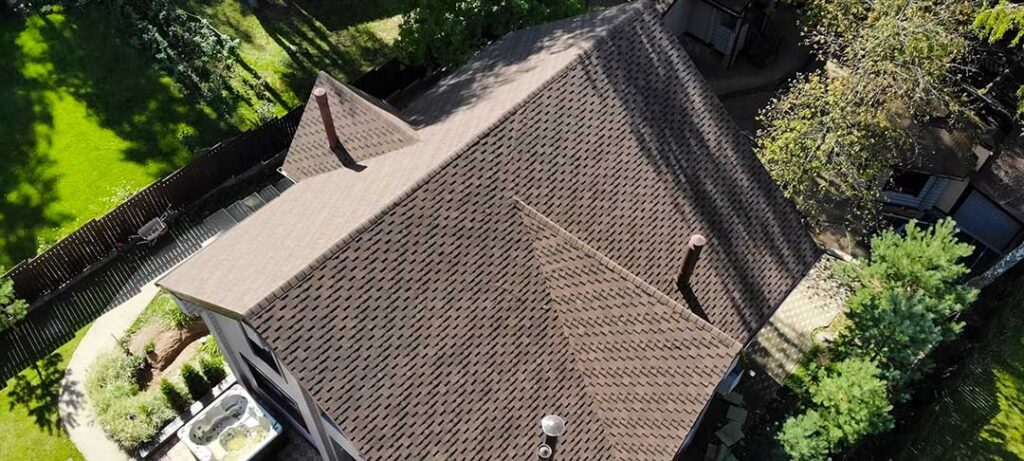
After a storm passes through Red Hook, NY, the first thing to do is visually check your property from a safe vantage point. Before climbing a ladder or heading outside, scan for obvious issues such as missing shingles, dangling gutters, or tree branches lying across the roof. Residents often notice debris on the ground or a sudden drip indoors—these are early warnings that the roof may be compromised.
Be mindful of power lines brought down by wind or falling branches. Avoid touching or approaching hazards and prioritize personal safety at all times. If there is visible structural damage or live wires, notify emergency services right away.
How Can Residents Check for Roof Damage Without Climbing Up?
It’s possible to catch many signs of damage from the ground using a pair of binoculars or a zoom camera. Walk around your home on all sides, taking time to inspect:
- Shingle condition—look for sections that appear curled, cracked, or completely missing
- Flashing (metal strips around valleys, chimneys, vents)—check for any displacement or bending
- Gutters and downspouts—notice if they’re hanging loose, dented, or clogged with shingle granules
- Soffits and fascia—inspect for any cracks, moisture stains, or material separation along the roofline
Residents in Red Hook often have mature trees around their homes, so pay extra attention to branches that may have brushed or fallen onto the roof—even if no obvious holes are visible.
What Are Easy-to-Miss Signs of Roof Damage Indoors?
Storm damage isn’t always obvious from outside. Indoors, take time to observe any spots where leaks might not be immediately noticeable:
- Ceilings in upper rooms, attics, and closets—check for new stains, damp patches, or bubbling paint
- Walls—look for streaks, discoloration, or peeling wallpaper near ceiling lines
- Lighting fixtures and attic vents—inspect for dampness or rust
Some leaks develop days after a storm as trapped water slowly seeps through insulation and joists. Even if things look dry at first, monitor suspect areas over the next week, especially if heavy rain is expected again.
What Signs Point to Wind or Hail Damage in Red Hook?
Storms in Red Hook can bring strong wind gusts or occasional hail impacts. Wind damage often leaves shingles lifted along their lower edge or completely blown off. Instead of lying flat, shingles may appear rippled or uneven across the roof.
With hail, look for:
- Dented metal roof vents, flashing, or gutters
- Bruised, dimpled, or cracked shingles—hail can leave shallow round marks or fractures in asphalt or wood
- Piles of roofing granules accumulating in gutters or downspouts
These signs may be subtle, especially on older roofs that already have some wear. Documenting them promptly helps with future repairs or insurance processes.
How Does Local Climate Affect Roof Damage and Inspections?
Homes in Red Hook deal with seasonal changes: high winds, wet springs, autumn leaf fall, and freeze-thaw cycles. After a storm, it’s common for residents to find gutter clogs from twigs and leaves, or ice dams building up along the roof edge if a cold snap follows heavy rain or snowfall.
During late fall and winter, sunlight can be low, making it harder to spot damage. Use a flashlight in attic spaces and conduct ground observations during full daylight for safer, clearer inspections.
Can Flat and Sloped Roofs Suffer Different Types of Storm Damage?
Flat roofs—seen on some additions and older buildings in the city—can collect water more readily, making punctures, pooling, and membrane blisters common after a storm. Look for standing water, “soft spots” underfoot, and any new puddles inside below the flat roof area.
Traditional sloped roofs can lose shingles or tiles more easily, and debris from surrounding trees may become trapped along valleys or behind chimneys. Clearing branches and watching for uneven areas in the shingle surface are key tasks.
When Is It Unsafe to Check for Roof Damage Yourself?
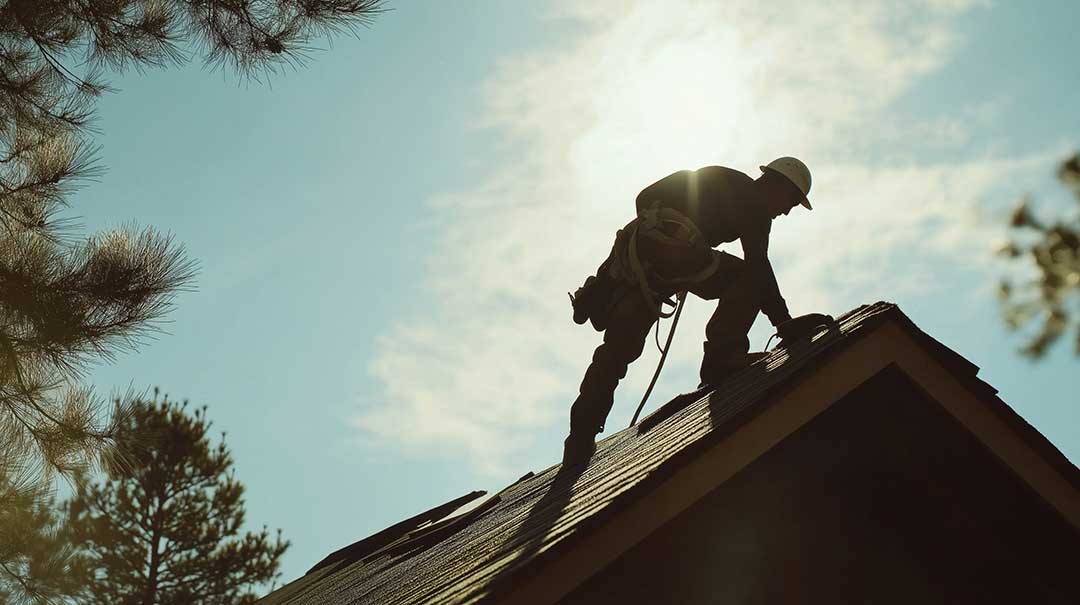
Climbing onto a roof can be dangerous, especially after a storm when surfaces are slippery or unstable. Residents should refrain from climbing if:
- The roof has visible sagging, shifting, or holes
- There are downed power lines or major debris present
- Attempting to access the roof requires stepping on wet, steep, or icy surfaces
In these situations, assessment should be limited to what’s visible from the ground or through windows until conditions are secured and the structure is confirmed safe.
How Can Residents Prepare for Future Storm Inspections?
Regular maintenance and prompt action are the best defenses against storm damage. Area households should keep a notebook or take clear photographs of the roof’s condition before and after major weather events—especially if insurance claims ever become necessary.
Clearing gutters each season, trimming back overhanging branches, and knowing the early signs of trouble can make post-storm inspections less stressful and more effective. Keeping an emergency kit with flashlights, tarps, and basic safety gear is also wise for local households.
