
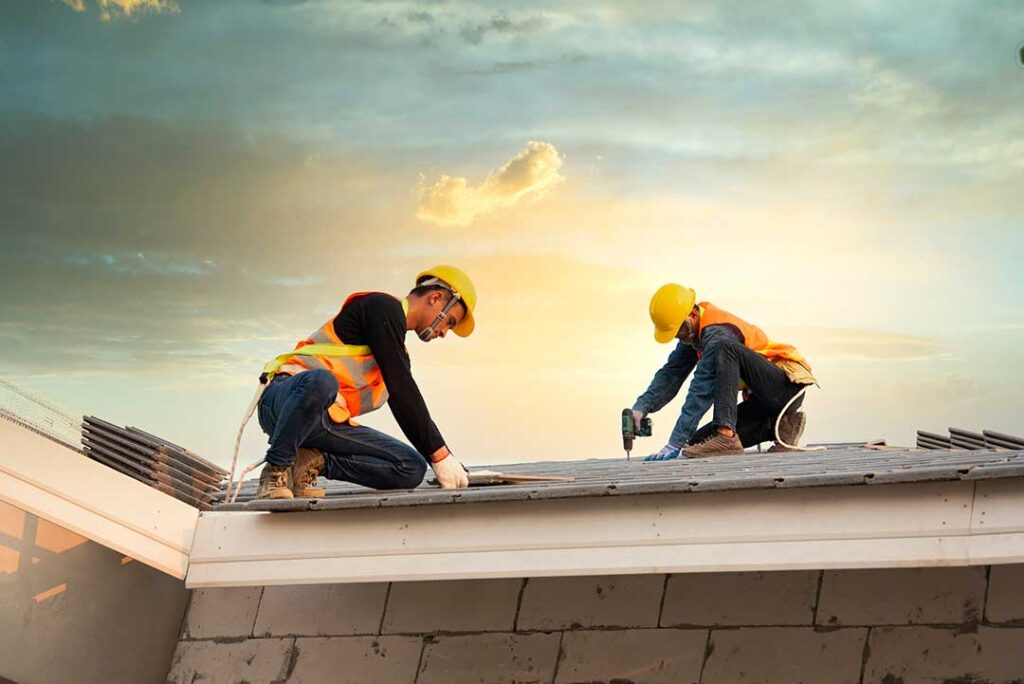
What Is Roof Pitch, and Why Does It Matter in Red Hook, NY?
Roof pitch refers to the angle of a roof’s slope, described as a ratio of vertical rise over horizontal run. In Red Hook, NY, roof pitch isn’t just a technical specification—it shapes how roofs handle rainfall, snow, and even how homes look within the community. Many residents wonder about the best pitch for their homes due to the changing weather, historic houses, and the need for longevity and cost-effective maintenance.
A steeper pitch means the roof rises sharply, while a lower pitch appears nearly flat. Builders measure this as inches of height gained per 12 inches of horizontal roof span (for example, a "6/12" pitch rises 6 inches in 12 inches). Understanding pitch helps homeowners assess drainage, material durability, and even attic space.
How Does Roof Pitch Impact Water and Snow Management?
In areas like Red Hook, snowy winters and rainy springs make roof pitch critical for safety and comfort. Steep-pitched roofs shed water and snow more quickly, which lowers the risk of leaks or heavy snow accumulation.
For local homes:
- Steep roofs (such as those with a 7/12 pitch or greater) often perform better in heavy snow, helping to prevent ice dams and snow load risks.
- Shallow or flat roofs (under 4/12 pitch) may face water pooling and require extra waterproofing measures, especially during the thaw-freeze cycles typical in the region.
This means that historic cottages with steep gabled roofs are often better equipped to handle Red Hook’s variable precipitation than modern low-slope additions, unless special designs are applied.
Does Roof Pitch Affect Roofing Materials and Longevity?
Yes, the choice of materials and their lifespan are closely tied to slope. Certain roofing types work better at specific pitches:
- Asphalt shingles are common and perform well on moderate to steep pitches. On low-sloped surfaces, they’re more prone to leaks unless extra underlayment is used.
- Metal roofing adapts to many pitch types, but low slopes need standing seam or special sealants.
- Flat or nearly-flat roofs (often seen on porches or additions) usually use membranes like rubber (EPDM), modified bitumen, or built-up roofing for waterproofing.
Maintenance approaches also change. Steeper roofs tend to keep themselves clear and dry, while low-sloped styles may require more frequent checks for pooling and debris. Choosing the right pitch and material combination can reduce long-term repair needs in the local climate.
How Is Roof Pitch Chosen for Homes in the Community?
Builders consider climate, architectural style, and homeowner preferences. In Red Hook, roof pitches are often matched to regional architectural history as well as practical needs.
Typical considerations include:
- Snow load expectations in winter
- Rainfall drainage in spring and fall
- Aesthetics for blending with the area’s historic or rural landscape
- Usable attic or upper-floor space, with steeper roofs providing more room
Building codes or neighborhood covenants may also specify a minimum pitch for new construction or major renovations. Residents planning to alter pitch or add structures should check with local code enforcement to ensure compliance and proper drainage design.
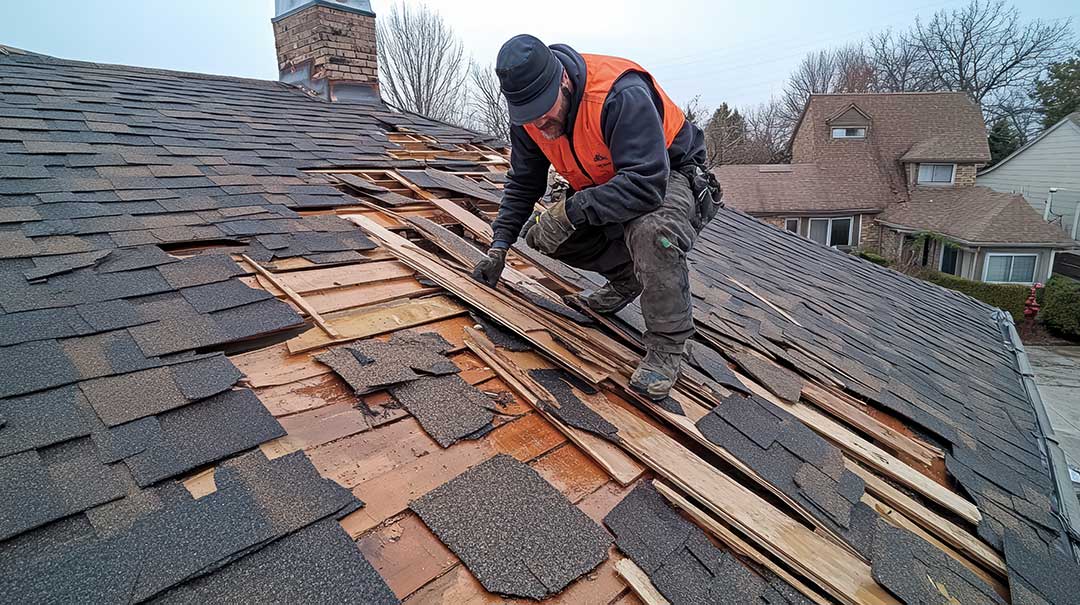
What Are Common Misconceptions About Roof Pitch?
Many believe that a roof must always be steeply pitched to perform well, but this isn’t universally true. Advances in materials allow lower-slope roofs to be effective when installed correctly, even in climates like Red Hook.
Other misconceptions:
- "Flat" roofs are never truly flat; there’s always a slight pitch to direct water toward drains or gutters.
- Raising or lowering roof pitch after construction is complex and can impact structural integrity—this is rarely a simple renovation.
- Roof pitch alone doesn’t determine whether a roof will leak; installation quality and ongoing maintenance play crucial roles, especially in harsh Northeastern climates.
What Should Residents Consider When Evaluating or Changing Roof Pitch?
Those considering roofing changes often weigh several factors:
- Is snow regularly accumulating in winter, leading to ice dams or leaks?
- Are rooms beneath the roof too hot in summer or too cold in winter, possibly due to lack of ventilation or insulation common to certain pitches?
- Does the roof design suit the home’s overall stability and appearance?
- Is changing pitch financially and structurally feasible for an existing home?
- What materials are available locally, and do they match the intended roof slope?
For most Red Hook households, selecting an appropriate pitch is about balancing historic charm, weather resistance, and long-term upkeep. For new builds or major renovations, consulting up-to-date local codes helps avoid drainage and snow-load issues down the line.
