

Are All Roofing Materials the Same?
Not all roofing materials perform equally well throughout the year in Red Hook, NY. A common misconception is that all shingles or roofing types offer the same durability and weather resistance, but local climate matters a great deal.
The area experiences a full spectrum of weather—from heavy snow in winter to hot, humid summers and rainy springs. Each roofing material reacts differently:
- Asphalt shingles are common but can suffer from ice damming and high winds.
- Metal roofing sheds snow better, but must be installed properly to avoid issues with condensation.
- Slate and tile roofs are durable, but their weight can challenge older framing.
Choosing a roof isn’t just about preference or price—it's about performance across local weather patterns, energy efficiency, and maintenance needs. Neighborhood homes may look similar, but a trusted choice for one street may not be best for another, depending on shade, roof pitch, or exposure to the elements.
Does a Roof Only Need Attention When It Leaks?
A roof rarely begins leaking without warning. Many Red Hook homeowners believe a leak is the only real sign that attention is needed. In reality, waiting for visible leaks can lead to more damage and costly repairs.
Routine visual checks, especially after storms or freeze-thaw cycles, help spot:
- Damaged, missing, or curling shingles
- Discoloration or dark streaks indicating moss, algae, or water accumulation
- Sagging, which may signal wood rot or structural issues
By addressing minor issues before water enters, residents can extend the life of their roof and avoid interior damage—especially in historic homes with original structures.
Does Snow on My Roof Mean There Is a Problem?
Seeing snow linger on your roof during winter is not necessarily a bad sign in Red Hook. Many believe quick-melting snow is safest, but the opposite is often true.
Snow that melts rapidly may point to heat escaping through poor insulation or ventilation, causing higher energy bills and potential ice dams. In well-insulated homes, snow tends to persist because warmth stays inside where it belongs. Watch for:
- Large icicles or ice dams near gutters
- Bare roof patches when neighboring roofs remain snow-covered
Addressing insulation and airflow helps maintain indoor temperatures and prevents longer-term roof damage.
Is Moss or Algae Always a Serious Warning Sign?
Green streaks don’t always mean a roof must be replaced right away. In Red Hook, moss and algae are common on shaded roof sections due to tree cover and seasonal humidity.
While thick moss can trap water and cause decay, thin surface growth is often a cosmetic issue. Gently removing small patches and trimming back overhanging trees can help. However:
- Ignore only patches that are dry and pale—active, damp growth suggests underlying moisture problems.
- If moss returns quickly after cleaning, investigate roof drainage and attic humidity.
Thorough cleaning should be gentle; aggressive scraping can damage shingles—especially older ones found on historic properties in the community.
Can Roofing Be a DIY Project for Handy Homeowners?
Some assume that basic repairs, like replacing shingles or patching sealant, are safe weekend tasks. While many Red Hook residents are skilled homeowners, roofing presents unique risks the area’s weather can amplify.
Mossy, icy, or steep roofs are hazardous. Additionally:
- Unseen issues such as hidden rot, improper ventilation, or flashing gaps are often missed without experience.
- Local building codes may require permits or specific installation standards, particularly in historic districts.
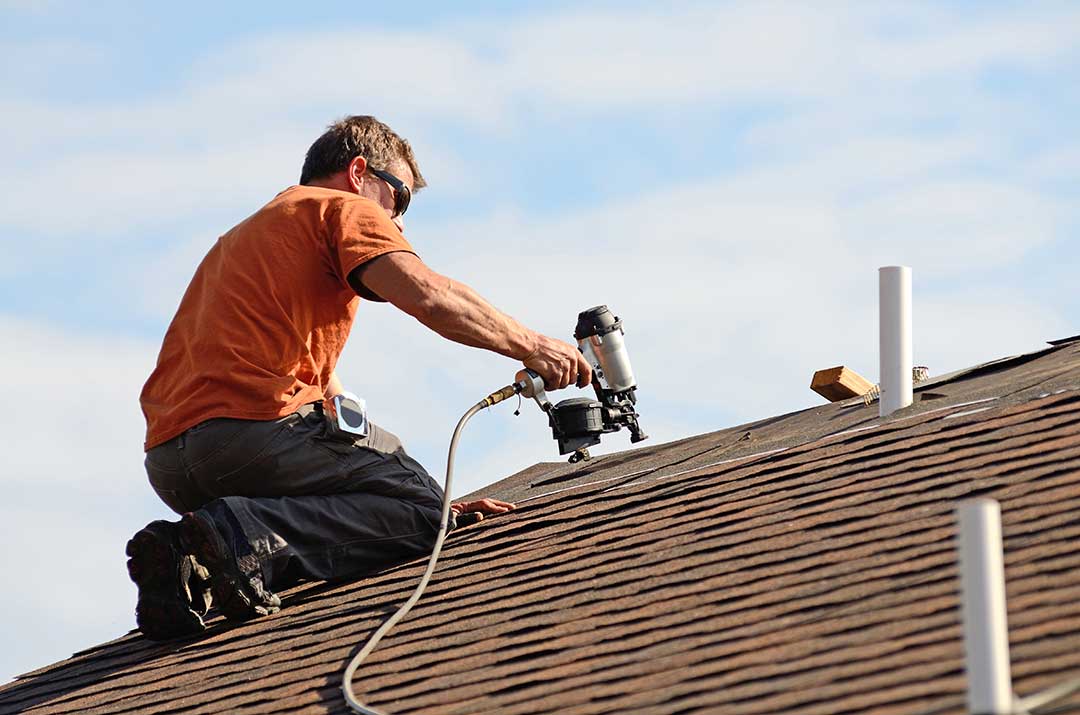
DIY efforts are best limited to safe inspections from the ground (using binoculars) and simple debris removal from gutters. For anything involving tools on the roof or structural repairs, personal safety should always come first.
Will a New Roof Solve All Insulation or Ventilation Issues?
While replacing the roof can improve a home’s protection, it’s not a cure-all for heat loss or stuffy attics. Ventilation and insulation are separate—though related—systems. In Red Hook, proper attic airflow helps prevent condensation and ice dams, while insulation keeps temperature steady indoors.
If:
- Indoor rooms feel drafty in winter or too hot in summer,
- Heating or cooling bills keep rising,
- Moisture builds up in the attic,
the underlying issue may be insufficient insulation or blocked vents, regardless of roof age. Addressing the full attic system—rather than only the roof covering—helps maximize home comfort and roofing lifespan.
Does the Age of a Roof Always Match Its Condition?
Age is just one factor in assessing roof health. Red Hook’s climate and seasonal debris mean that some older roofs outlast newer ones, depending on maintenance and material.
A 20-year-old roof may perform perfectly with regular care, while a 10-year-old roof can need major work after repeated storms, clogged gutters, or poor installation. Instead of focusing solely on age, check for:
- Missing, cracked, or warped shingles
- Moss growth or stains
- Granule loss (seen in gutters or downspouts)
Evaluating condition alongside age gives a clearer picture of safety and longevity.
Summary: Staying Informed Protects Local Homes
Clearing up myths helps residents care for their roofs more confidently. In Red Hook, regular checks after rough weather, understanding local conditions, and distinguishing between cosmetic and serious problems allow homeowners to prevent larger issues over time.
