

Does Sun Exposure Really Affect Your Roof in Red Hook, NY?
Yes, direct sunlight can have a significant effect on the condition and lifespan of residential roofs in Red Hook, NY. Sun exposure is not only a factor in warmer climates; even in the Hudson Valley, the combined effects of sunlight and seasonal temperature swings matter for roof health.
During spring, summer, and even sunny winter days, ultraviolet (UV) rays, heat, and daily temperature changes all interact with roofing materials. These elements can gradually wear down shingles, tiles, and other roofing surfaces. Over time, this ongoing exposure leads to visible aging and, in some cases, the need for earlier repairs or replacement.
How Does Sunlight Cause Roof Wear?
Continuous sun exposure degrades roofing materials in several clear ways:
- UV Degradation: UV rays break down the chemical bonds in shingles and roofing finishes. This eventually makes them brittle, faded, and less water-resistant.
- Thermal Expansion & Contraction: In Red Hook, roofs can heat up rapidly on sunny days and cool quickly when the sun sets. This cycle of expansion and contraction puts mechanical stress on asphalt shingles, flashing, and underlayment, leading to cracking, warping, and nail pops.
- Color Fading: Dark-colored roofs absorb more sunlight and heat, leading to quicker fading and increased material stress compared to lighter roofs.
- Surface Damage: The outer granules on asphalt shingles are designed to protect lower layers from UV rays. As these granules loosen and shed, deeper layers are exposed, speeding up deterioration.
Residents sometimes notice these effects as curling, missing granules, crumbling rubber or asphalt, or patchy color in older roof surfaces.
Are Some Roofs in Red Hook at Greater Risk?
Sun exposure affects both older and newer roofs, but some roof types and shapes are more vulnerable.
- South-Facing Slopes: In this part of New York, south-facing roof slopes get the most hours of direct sunlight, especially during summer. These sections often wear out sooner than shaded or north-facing areas.
- Roofs With Low Slope: Lower-pitch roofs retain heat longer than steep ones, increasing the stress from thermal cycling.
- Certain Materials: Asphalt shingles—very common here—are more susceptible to UV damage than slate or metal. However, even metal or membrane roofs show stress over time from repeated sunlight exposure.
- Older Roofs: Shingles or membranes installed over 15-20 years ago may not have the UV-resistant additives found in more modern materials.
Does Sun Exposure Make Roofs Hotter Inside?
Solar heat gain from the roof can raise attic and upper-floor temperatures, but insulation and ventilation have a big influence. In Red Hook homes with limited attic ventilation or inadequate insulation, heat transmitted from sun-exposed roofs may:
- Cause upper rooms to feel warmer in summer
- Increase air conditioning use
- Lead to moisture build-up if warm air rises and condenses under the roof deck
Light-colored or "cool" shingles, proper attic insulation, and ridge or soffit ventilation can help reduce these effects. While winter sun is less intense, rapid temperature changes from clear days followed by cold nights can still trigger freeze-thaw cycles that also stress the roof.
How Can Homeowners Recognize Early Sun Damage?
Early signs of sun damage are easy to overlook. Even if a roof is not leaking, minor UV and heat deterioration can begin years before major problems. Look out for:
- Faded or patchy shingle color (especially facing south or west)
- Fine cracks in the shingles, tiles, or membrane surface
- Loose, curling, or missing granules on asphalt shingles (you might see granules in gutters)
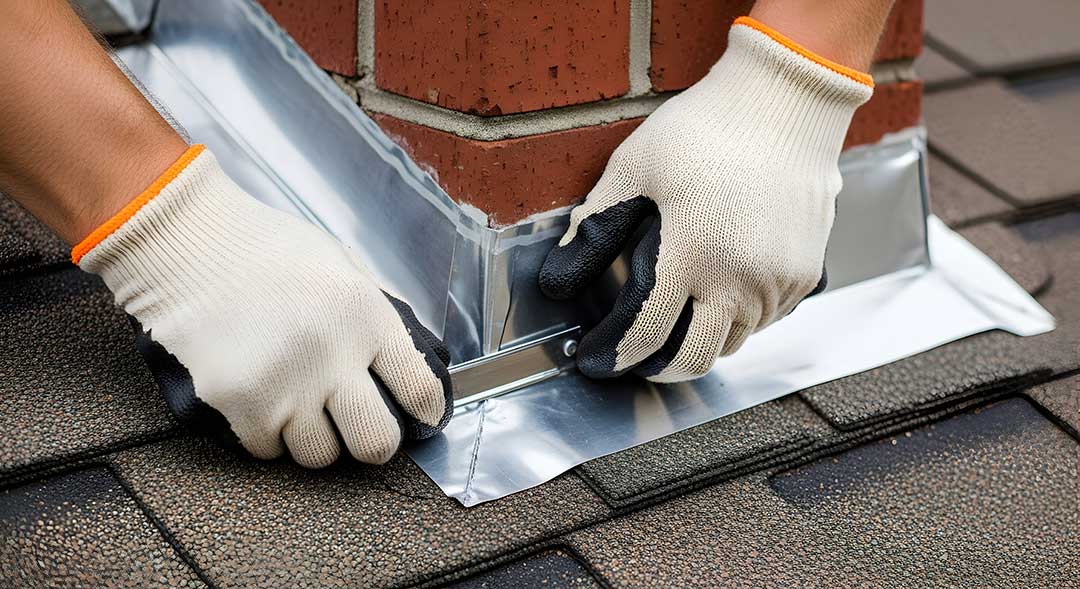
- Brittle or crumbling sealant around flashing
- Small blisters or bubbles on flat roofs
Checking these signs during routine spring or fall maintenance can help catch sun-related damage before it accelerates. These changes tend to happen slowly in Red Hook due to the mix of sun and seasonal weather cycles.
Does Shade Protect Against All Roof Problems?
Shade from trees or neighboring structures can slow sun-related aging, but it creates its own set of risks. Shaded roofs are less exposed to UV rays but may be more likely to develop:
- Moss, algae, or lichen growth due to lower surface drying after rain
- Build-up of organic debris (leaves, needles) that can trap moisture
While shade can delay fading and help shingles last longer, homeowners should still watch for shaded-area issues and clear organic debris to prevent water damage or rot.
Common Misconceptions About Sunlight and Roofs
Several myths persist about sunny roofs in the Red Hook area:
- "Only southern climates need to worry about sun exposure." Even in the Hudson Valley, summer and winter sun can degrade roofs over time.
- "Aluminum or metal roofs aren’t affected by sunlight." While these materials may reflect more UV, expansion and color fading still occur.
- "A faded roof is just cosmetic." Fading is often a sign of deeper UV damage and granule loss, which reduce the effectiveness of shingles.
What Maintenance Steps Help Offset Sun-Related Damage?
Homeowners can offset some sun-related roof aging by:
- Cleaning gutters and inspecting shingle surfaces each spring and autumn
- Trimming tree branches that cast shade but drop leaf litter or needles
- Watching for early cracks, curling, or missing shingles
- Ensuring attic spaces are well ventilated to help control heat build-up
Replacing individual damaged shingles or resealing flashing can be handled as minor repairs if caught early. If structural materials appear brittle or worn, consider a comprehensive roof assessment, especially on older properties or at the 15–20 year mark.
Understanding how sun exposure interacts with local weather helps area households protect roof investment and plan smarter upkeep, whatever the season.
