
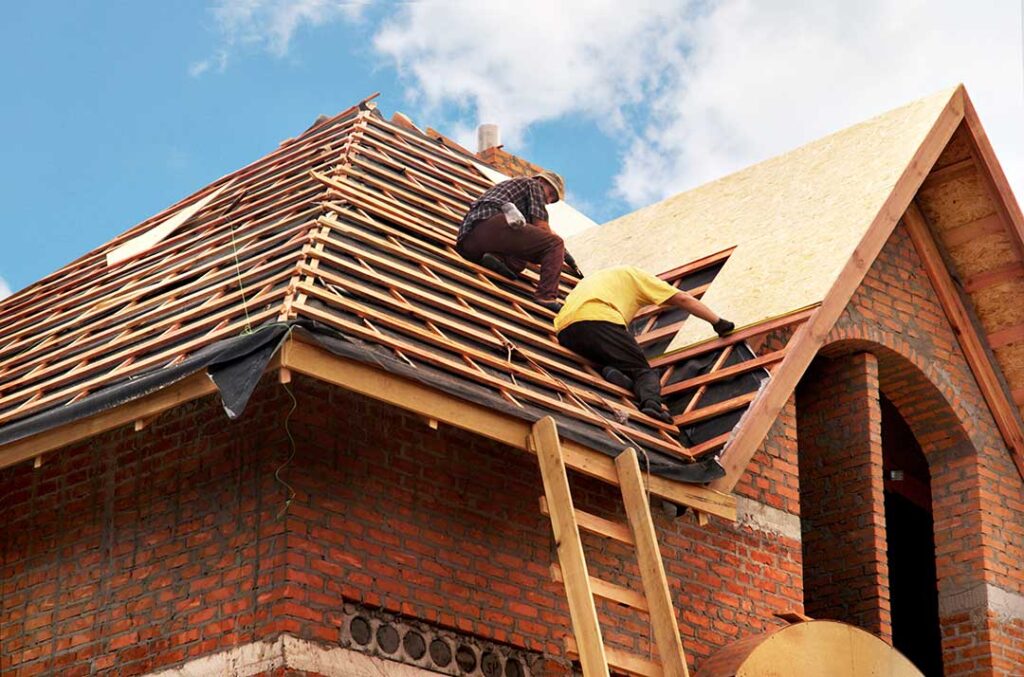
What counts as a green roof?
A green roof is a roof system designed to support living plants. It usually includes several layers above the waterproof roof surface: a root barrier, drainage layer, growing medium, and vegetation. Some systems also include irrigation, protective mats, and maintenance access.
For homeowners in Red Hook, NY, the most realistic residential option is usually an extensive green roof. This type uses a relatively shallow growing medium and low-maintenance plants such as sedums, hardy perennials, and other drought-tolerant ground covers. It is lighter and less demanding than an intensive green roof, which resembles a rooftop garden with deeper soil, larger plants, and greater structural requirements.
A green roof is not simply a layer of soil placed over shingles. It is a complete roofing assembly that must be designed to control water, protect the roof membrane, manage weight, and allow excess moisture to drain safely.
Are green roofs worth the cost?
Green roofs can be worthwhile when the building is structurally suitable, the owner expects long-term occupancy, and the environmental or stormwater benefits matter. They are less likely to be worthwhile when the roof needs replacement soon, access is difficult, or the supporting structure cannot handle the added weight.
The financial payback is not always immediate. A green roof typically costs more to install than a conventional roof because it requires specialized waterproofing, drainage, structural review, planting materials, and ongoing maintenance. Savings may develop over time through:
- Longer service life for the waterproof roof surface because vegetation and growing media shield it from ultraviolet light and temperature swings
- Reduced summer heat gain into the building
- Slower release of rainwater into roof drains and ground-level drainage systems
- Less frequent replacement of the protected roof membrane
These benefits depend on correct design and maintenance. A neglected green roof can develop clogged drains, unwanted woody growth, standing water, or damaged waterproofing.
Which green roofing systems fit local homes?
Three broad approaches are commonly considered.
Extensive systems
Extensive systems are shallow, lightweight, and planted with low-growing vegetation. They are the most practical type for many residential buildings, garages, additions, and flat-roofed outbuildings.
They generally require less irrigation after establishment, but “low maintenance” does not mean “no maintenance.” Drainage areas, roof edges, flashings, and plant growth still need periodic inspection.
Intensive systems
Intensive systems have deeper soil and can support grasses, shrubs, flowers, or even small trees. They function more like elevated gardens and may provide greater habitat and recreational value.
The tradeoff is substantial added weight, more complex irrigation, stronger structural requirements, and more regular gardening. For most existing houses, an intensive system is not a simple retrofit.
Simple planted roof sections
A property may also use a small planted section over a porch, shed, detached structure, or low-slope addition rather than converting the entire main roof. This can provide some environmental benefits while limiting structural and maintenance demands.
A partial installation may be easier to evaluate, but it still needs proper waterproofing and edge detailing. Water must not be allowed to collect against walls, siding, chimneys, or roof penetrations.
Can an existing roof support a green roof?
Possibly, but the answer requires a structural evaluation. A green roof adds more than the weight of plants. The design must account for saturated growing media after heavy rain, drainage components, protective layers, snow, workers, and any equipment already on the roof.
A shallow system may weigh substantially more when wet than when dry. Older buildings, buildings with long roof spans, and structures with signs of sagging or movement deserve particular caution.
Warning signs that justify evaluation before considering a green roof include:
- Visible roof sagging
- Cracked or shifting masonry near the roofline
- Doors or windows that have recently become difficult to operate
- Water damage or recurring ceiling stains
- Undersized framing or a history of structural alterations
- A roof that already struggles with snow or ponding water
Structural capacity is not something that can be judged reliably from the ground. Safety and code compliance may require review by a qualified design or building professional.
How does the local climate affect green roofs?
Seasonal weather is a major part of the decision. A green roof in this region must handle freeze-thaw cycles, periods of heavy rain, summer heat, wind, and snow accumulation.
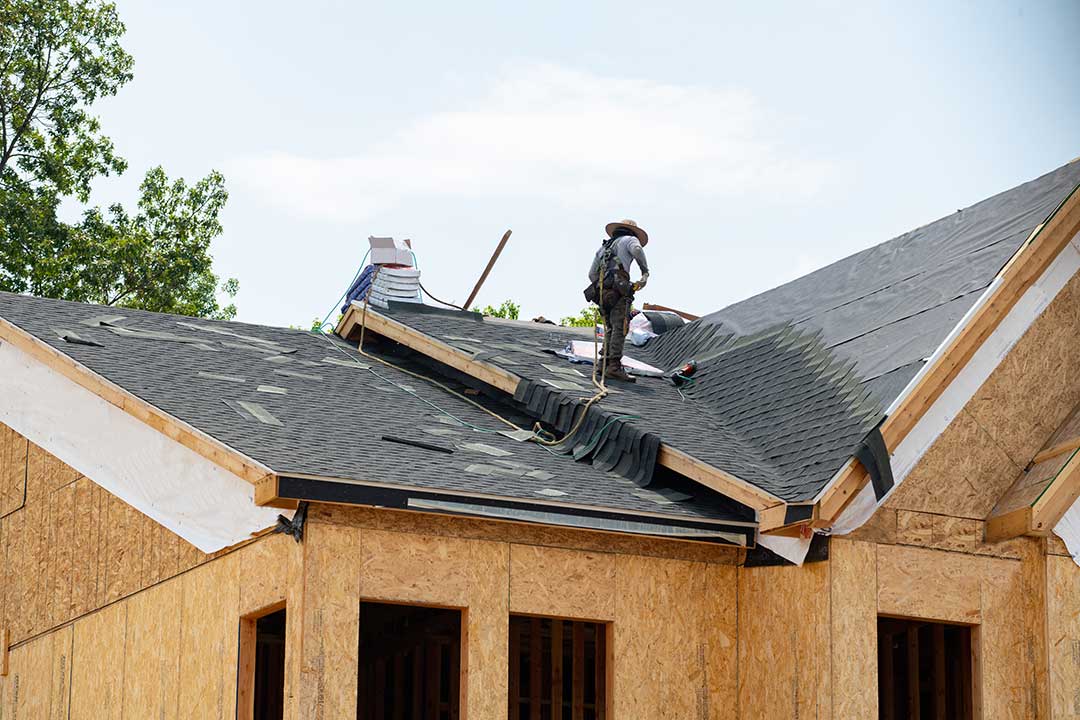
Plants should be selected for exposure rather than appearance alone. A roof with strong sun, drying wind, and shallow soil needs different vegetation from a roof shaded by nearby trees. The roof also needs enough drainage capacity for intense rainfall, with overflow paths that remain clear.
Snow does not automatically make a green roof impractical. Vegetation and growing media can provide some insulation, and the system may help moderate temperature changes. However, saturated soil, snow, and ice can create significant loads. Drainage outlets must remain accessible, especially before winter weather.
Fall maintenance is especially important where leaves can accumulate. Organic debris may block drains and create conditions that keep the roof excessively wet.
Does a green roof help with stormwater?
Yes, but it does not eliminate runoff. Green roofs retain and delay some rainfall by holding water in the growing medium and vegetation. During long or intense storms, the system eventually becomes saturated and releases water through its drainage layer.
The amount retained depends on soil depth, plant coverage, roof slope, rainfall intensity, season, and recent weather. A green roof should therefore be viewed as part of a broader drainage strategy, not a replacement for properly sized gutters, downspouts, roof drains, or ground-level grading.
For area households concerned about basement moisture or yard erosion, the roof should be considered together with the entire water-management system. Downspouts still need to discharge safely, and green roof overflow should never be directed toward a foundation.
What maintenance does a green roof require?
A typical extensive system may need several inspections each year and additional attention after major storms. Maintenance commonly includes:
- Removing leaves, branches, and unwanted plants from drainage areas
- Checking roof edges, flashings, seams, and penetrations
- Clearing drains and overflow paths
- Replacing dead or displaced vegetation
- Looking for exposed waterproofing or erosion of growing media
- Controlling invasive plants before roots become established
- Confirming that irrigation, if present, is functioning properly
Maintenance should be performed carefully. Walking on planted areas can compact the growing medium or damage vegetation and drainage components. Safe access routes and edge protection should be part of the original design.
What are common misconceptions?
A green roof is not automatically more energy-efficient in every season. It can reduce heat entering the building during hot weather, but the effect depends on insulation, roof color, ventilation, window exposure, and the building’s overall design.
It is also not necessarily maintenance-free. Plants that survive on a roof still need the right growing conditions, and drainage components require inspection.
Another misconception is that any flat roof can be converted. The roof slope, membrane condition, structural capacity, parapets, drainage, access, and edge details all affect feasibility. A roof that is already leaking should generally be repaired or replaced before adding a planted assembly.
How should a homeowner decide?
A green roof is most sensible when the roof has a long remaining service life or is being replaced, the structure can support the system, drainage is well planned, and the owner accepts regular maintenance. It may be a poor fit when the roof is steep, difficult to access, structurally uncertain, frequently shaded by debris-producing trees, or nearing the end of its service life.
For many residences, a smaller planted roof over an addition or outbuilding offers a more manageable starting point. The decision should be based on structural capacity, roof condition, water management, maintenance ability, and long-term goals—not only on the appearance of the plants.
